
Project 1 - Jerome Kim/ Final Eviction Notice
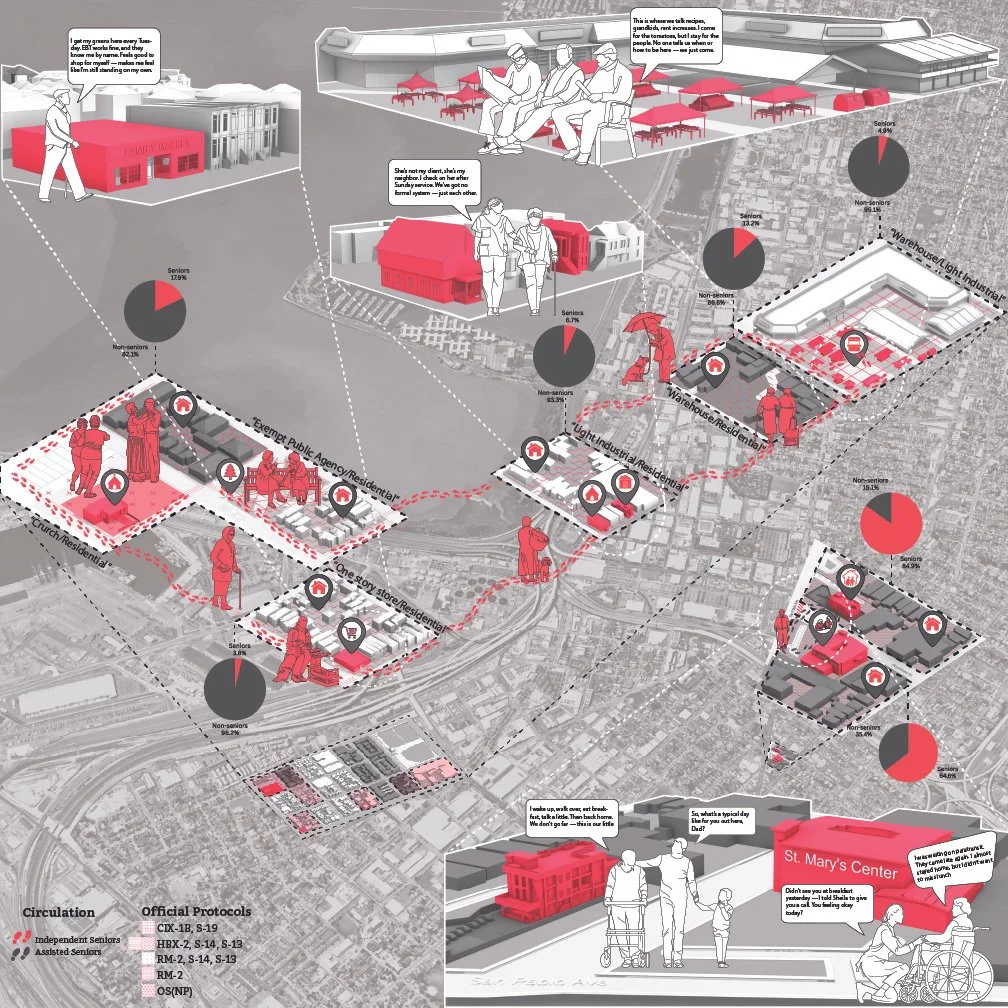
Project 2 - Anhelina Rozum/ Indepenent vs Assisted Seniors

Project 3- Sofia Garcia/ Where Does the Water Go?
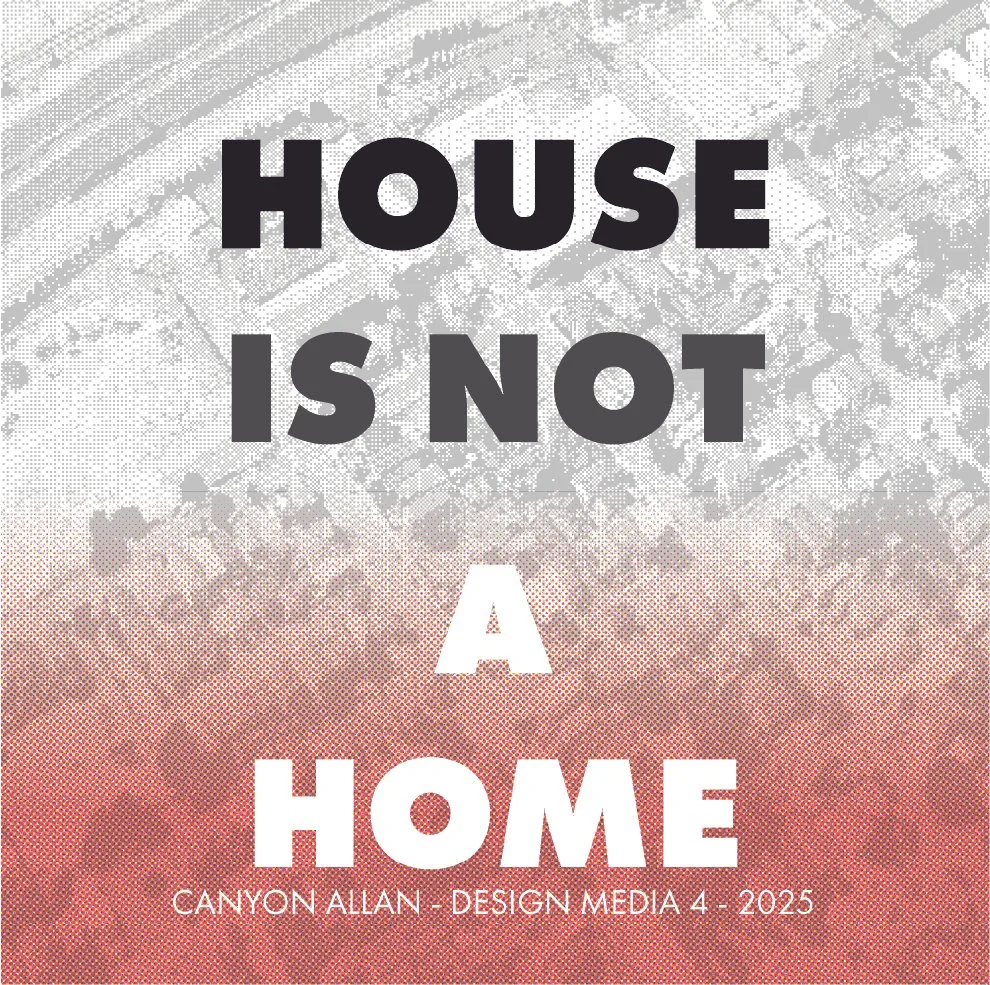
Zine- Canyon Allan/ House Is Not a Home
Urban Cultures: Reading and Representing the City
Curriculum: Architecture Design Media, California College of the Arts, Architecture Division
Date: Spring 2025
Professor: Julia Grinkrug
Students: Canyon Allan ,Sofia Garcia, Rocio Urbano Guadalix, Jerome Kim, Makoto Komine, Loel Quevedo, Anhelina Rozum, Amira Seale.
Community Partner: Oakland Allied Knowledge for Climate Action (OAK)
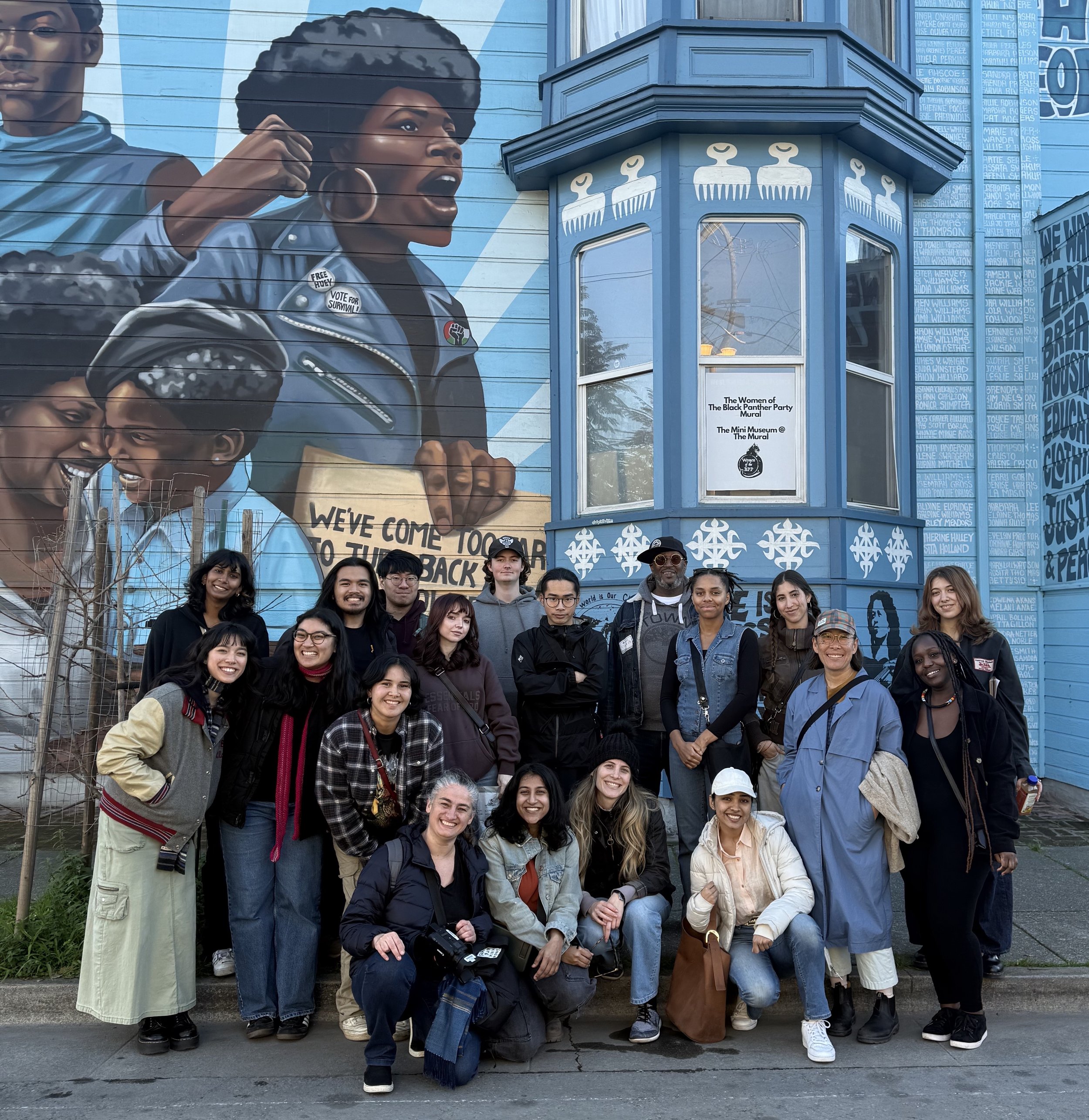
Related Programming: Walking Tour - guided by Adam Garrett-Clark, Neighborship + David Peters , West Oakland Cultural Action Network
TOPIC
This seminar, taught alongside Studio 4: Home Economics, presents a curated selection of approaches that examine the multifaceted nature of urbanity, building a balanced foundation of theoretical insights and practical skills in urban research.
Organized into three broad themes: — People, Form and Flows, — the course projects introduce students to a series of protagonists, approaches and value systems, as well as specific modes of storytelling. Each project combines all modes of learning listed above, setting them in a dialogue with each other and deepening students’ critical position towards the urban environment.
SITE
This semester’s research focused on the Prescott neighborhood in West Oakland, surrounding the studio site on the former Jenkins Junkyard. Prescott is a historic area located between Mandela Parkway, formerly the Cypress Street Viaduct, and the I-880 freeway, adjacent to the Port of Oakland. The site sits on the western edge of the residential zone, nestled between two of West Oakland’s most iconic cultural landmarks: the 16th Street Railroad Station and Esther’s Orbit Room on 7th Street, the historic heart of Oakland’s jazz tradition.
Take a look at our walking tour!
1. PEOPLE
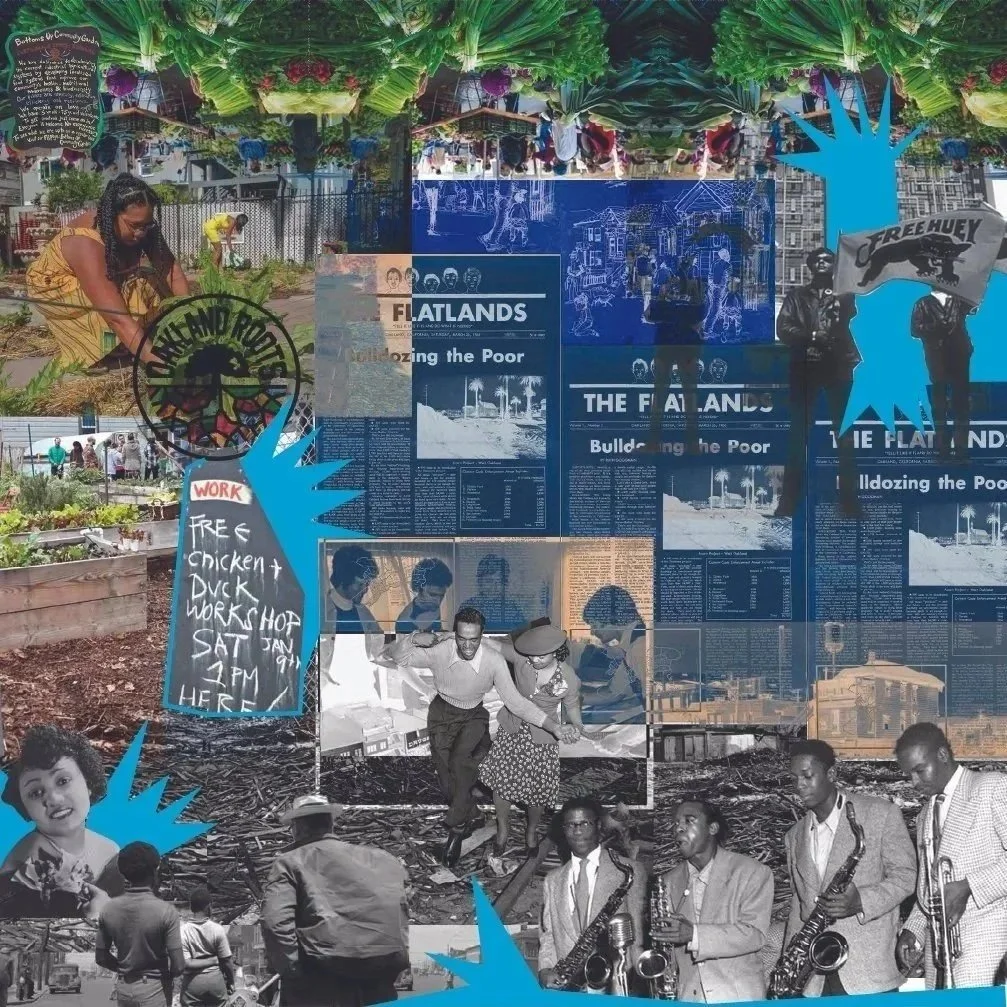
This section focuses on people, who live, work and play in the city. Utilizing both quantitative and qualitative approaches, we ventured to understand human behavior, sited culture, and lifestyles that represent how people engage with the city. The quantitative lens helped us identify patterns of organization through generalized data gathering (census data) examining how this data can be parsed through GIS (Geographic Information System). The qualitative strategies included observation, interviews, and storytelling to describe the everyday use of the city.
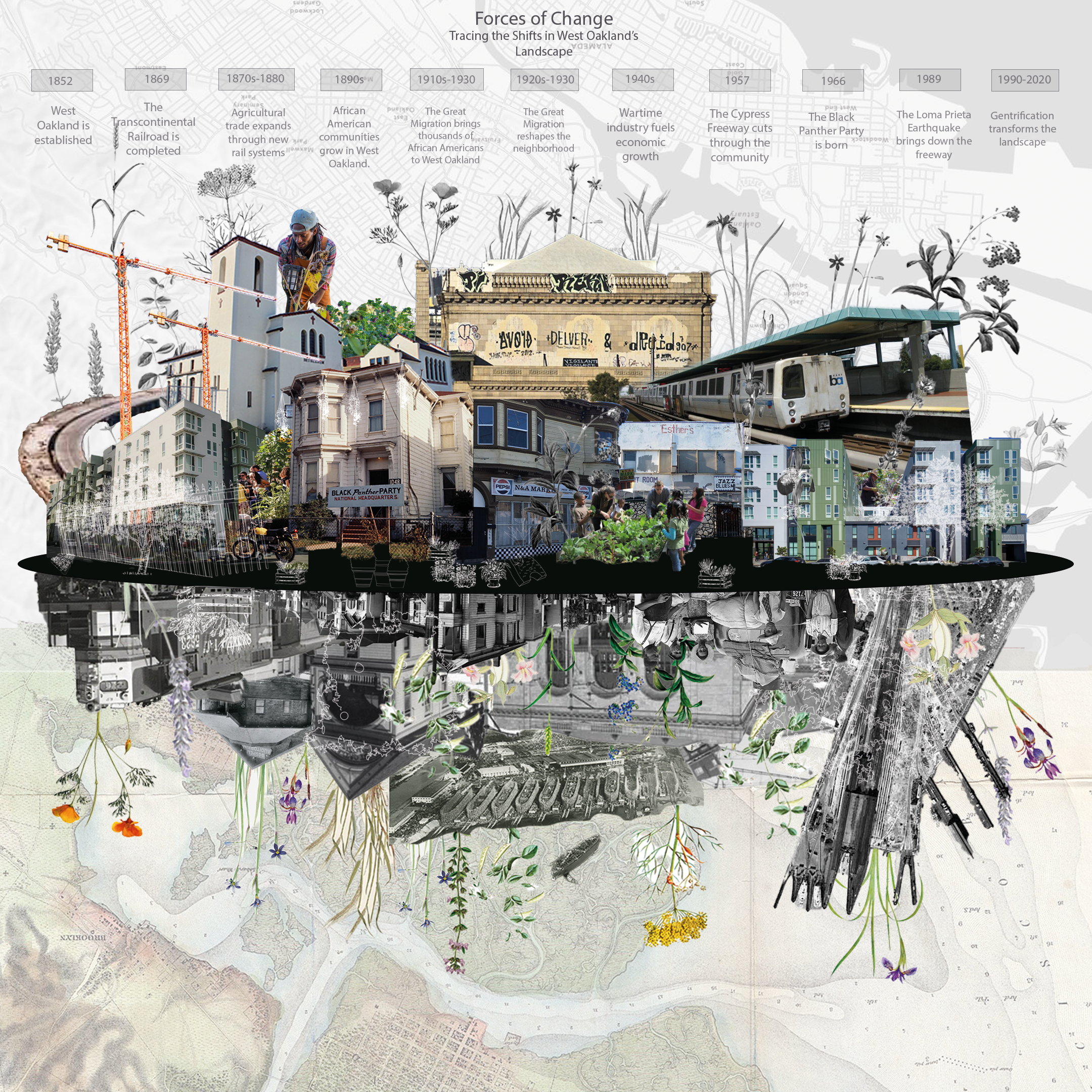

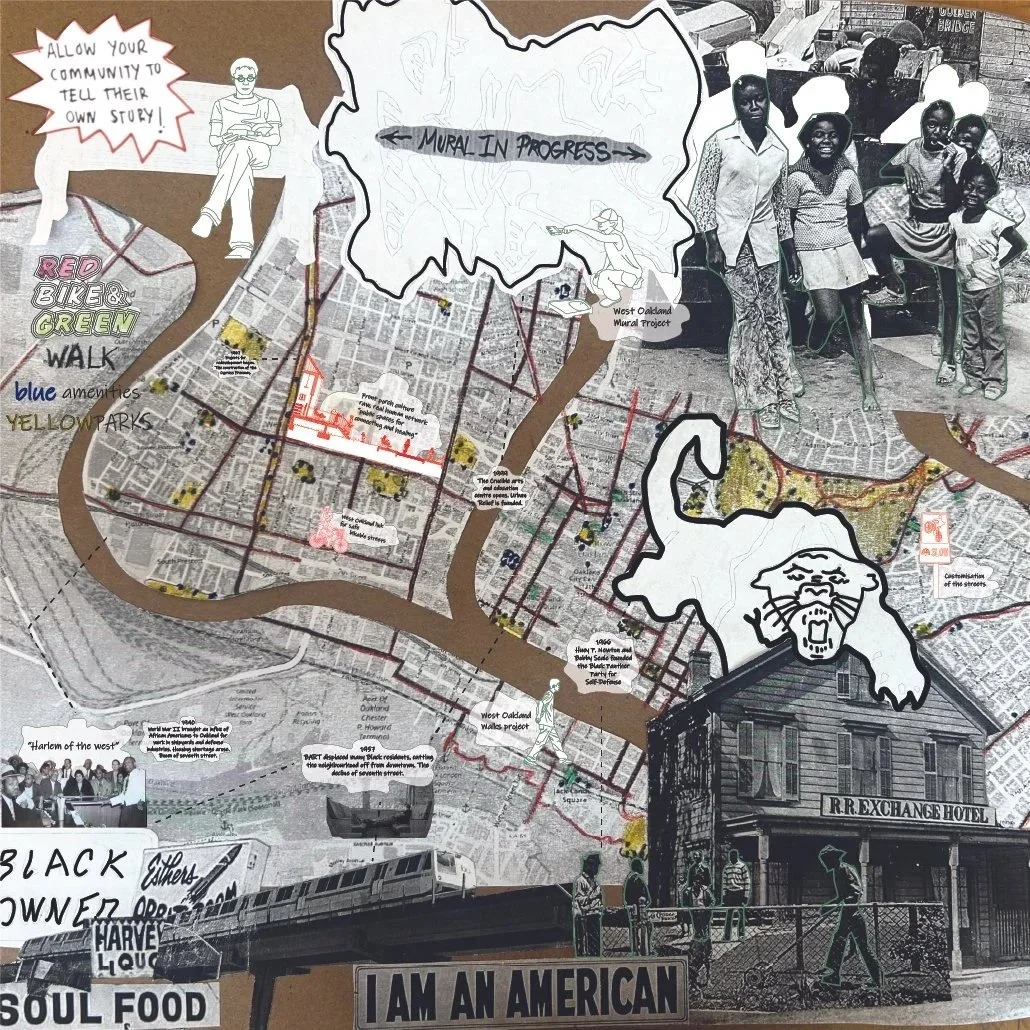
2. FORM
This section of the seminar examined the relationship between urban types and protocols by unpacking the intertwined imprints of land use and organization, zoning and ownership patterns, physical conditions and programmatic factors driven by political and economic forces, which collectively create the resultant urban fabric. Our learning derived both from the critical analysis of general urban histories and from site-specific investigation of the neighborhood's development and cultural narratives, collected through archival and market research as well as stakeholder interviews.
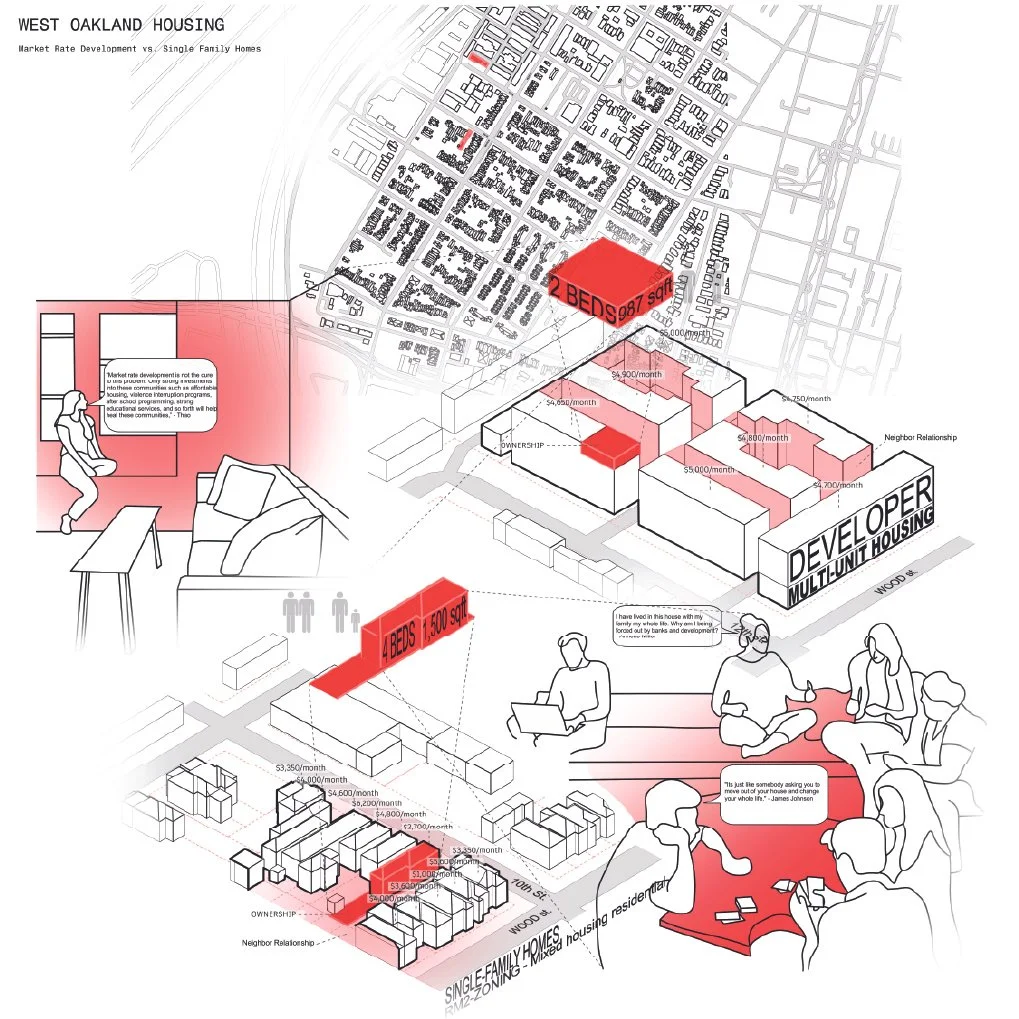
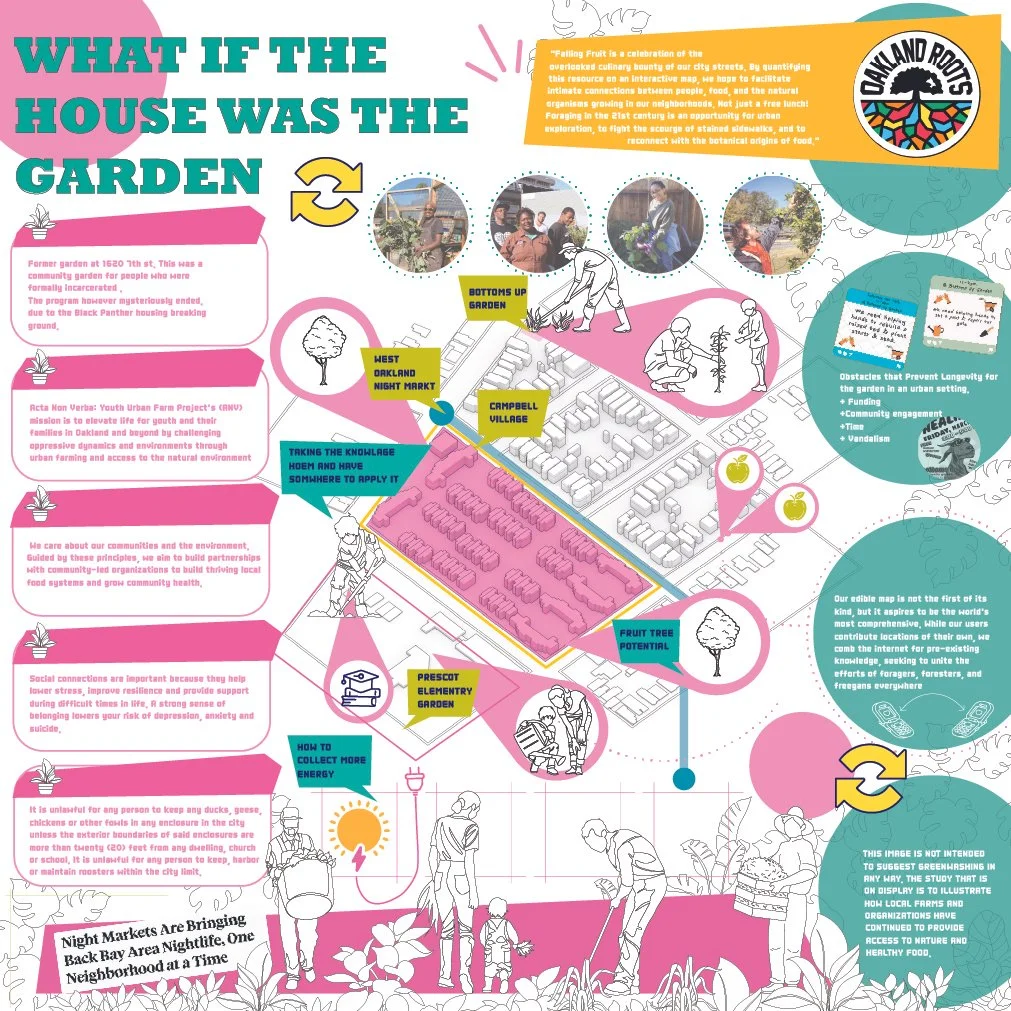
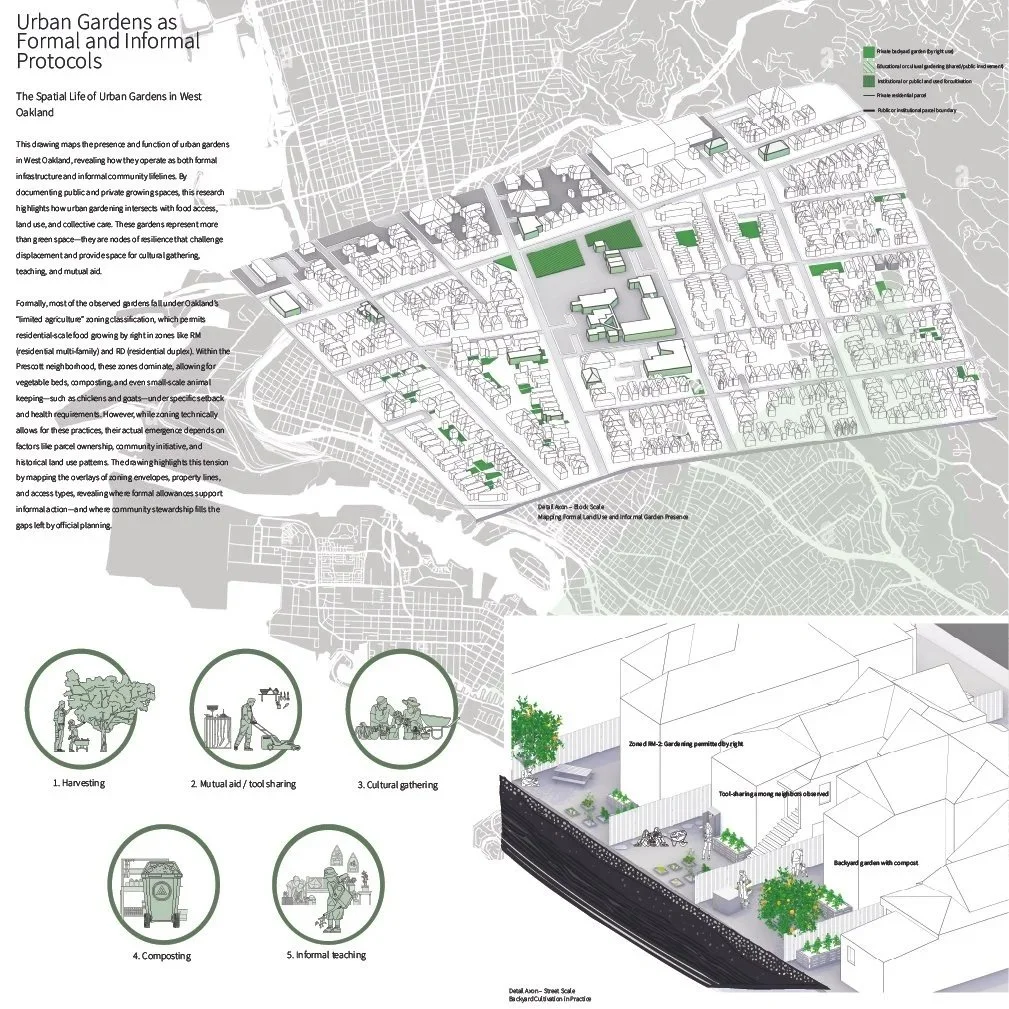
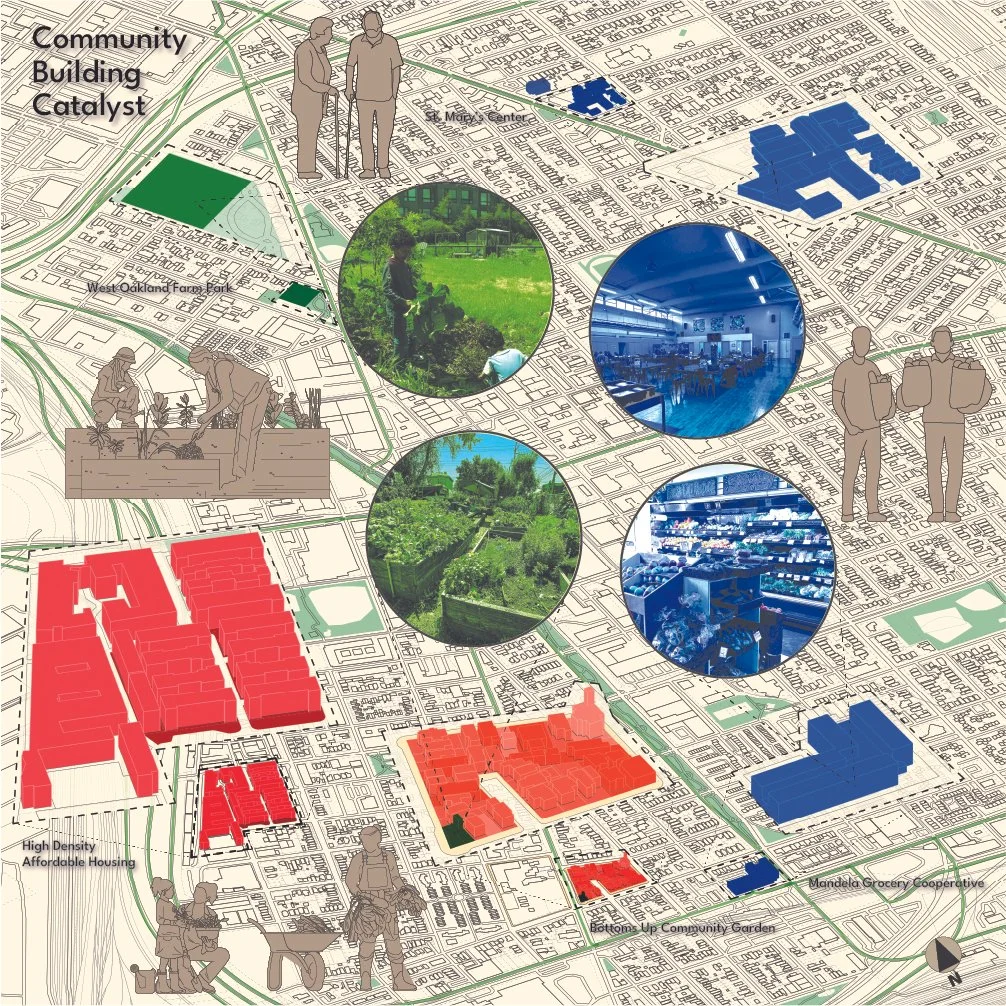
3. FLOWS
Seeing the city through the lens of regional systems, networks and flows we analyzed the particular neighborhood as part of an integrated multi-scalar organization. This section focused on the interplay between ecology and economy as a way to understand the physical and metaphorical flows that move through the city. By tracking the way in which various natural ecosystems and man-made infrastructures are generated and interact, we know how these large scale systems are interdependent and how they shape urban organizations of a smaller scale.
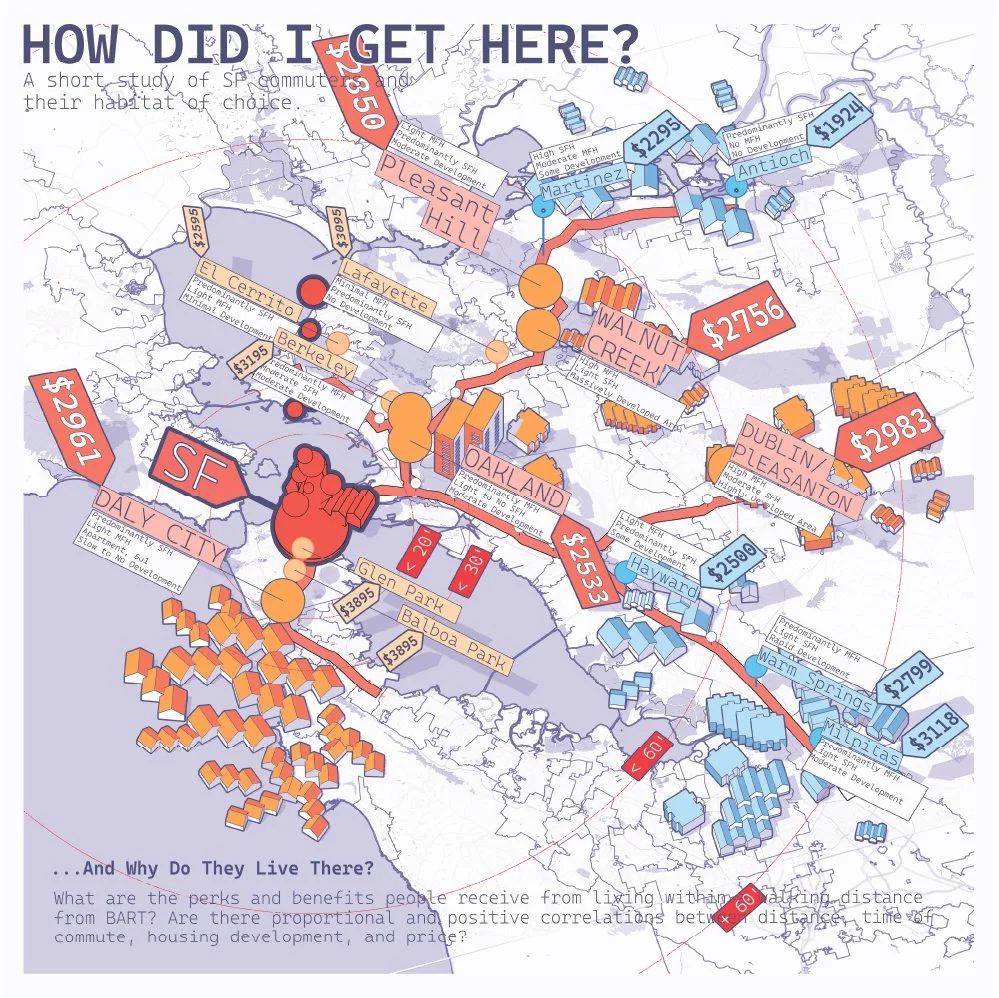
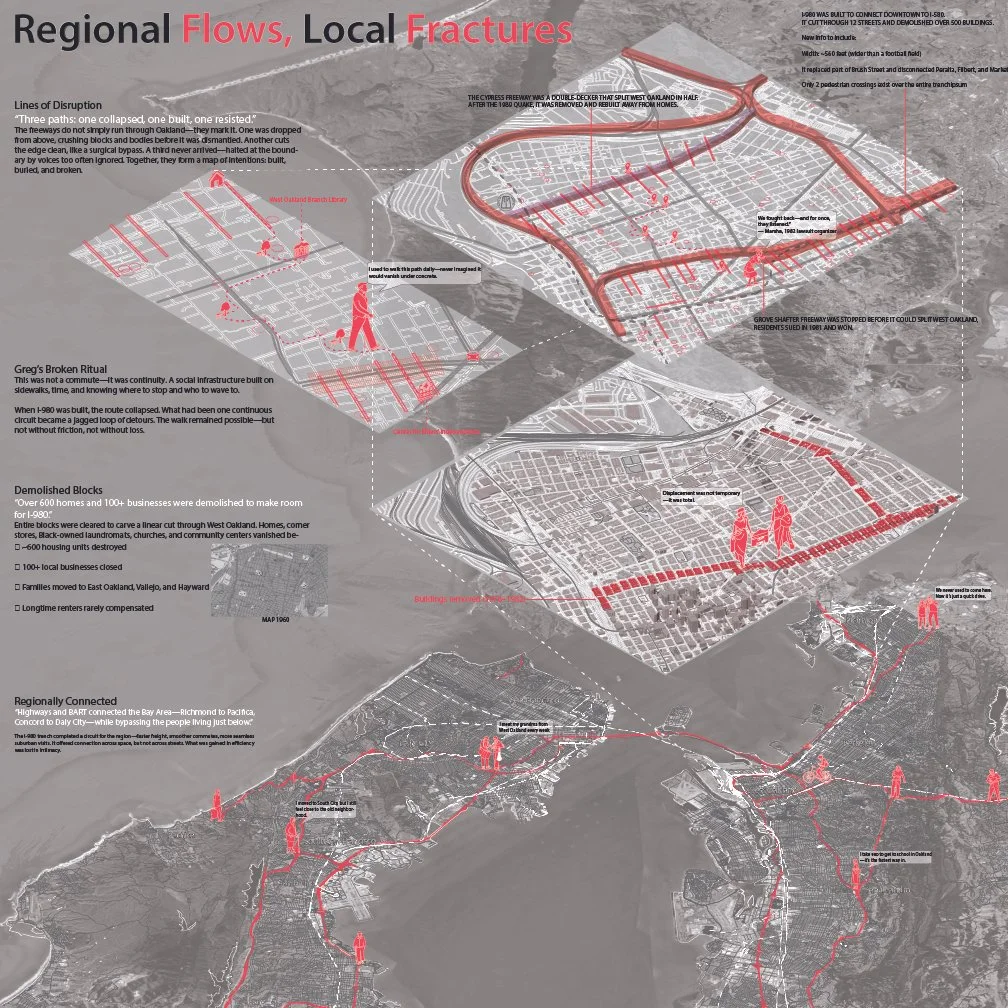
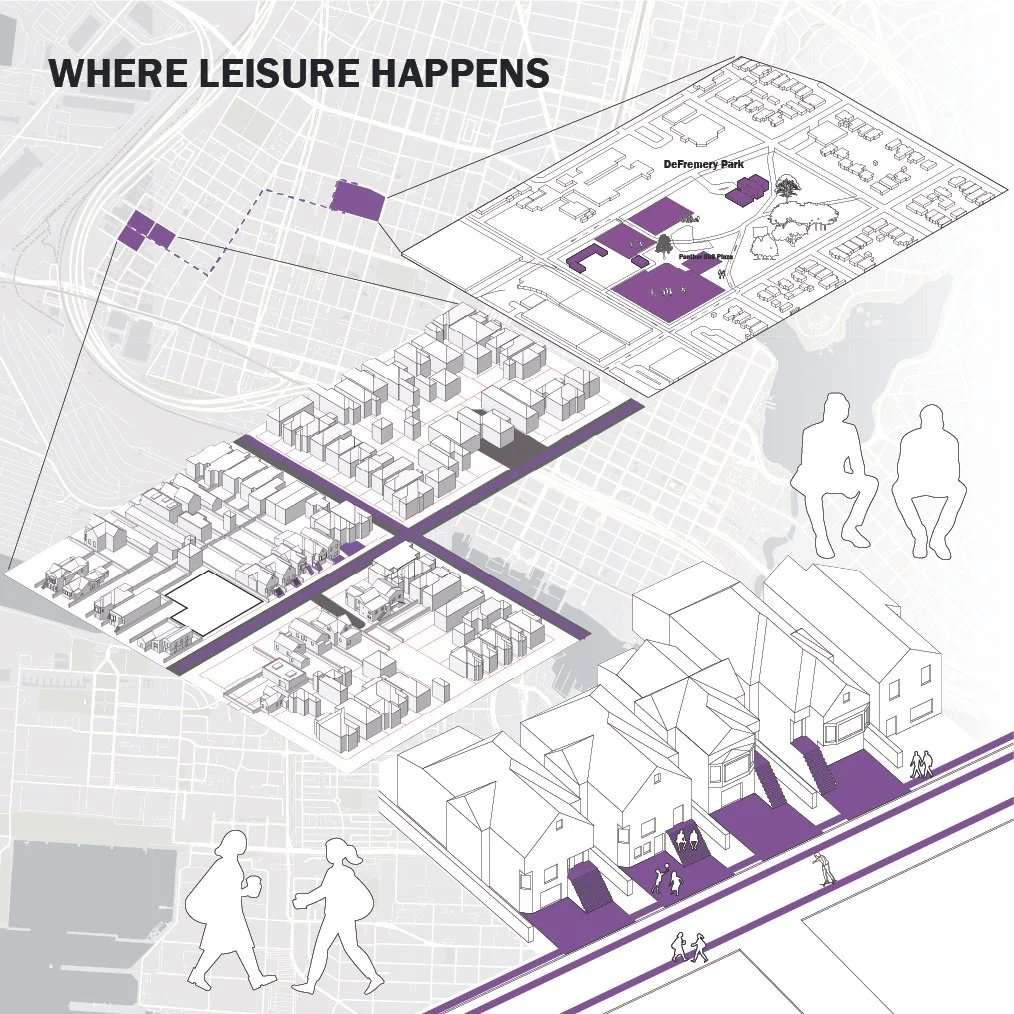
zINE
After examining the city through a variety of lenses, our final task was to synthesize what we learned into a coherent and compelling narrative. Our goal was to share these insights with a broader community, highlighting the complexity and richness of the neighborhood’s character. We aimed to present this knowledge in an approachable and engaging format that balanced clear messaging with detailed, visually rich graphics.
Take a look at our zine archive

Community + Story
Rochi Urbano
Where is your garden?
Amira Seale
urban metabolics
Makoto Komine
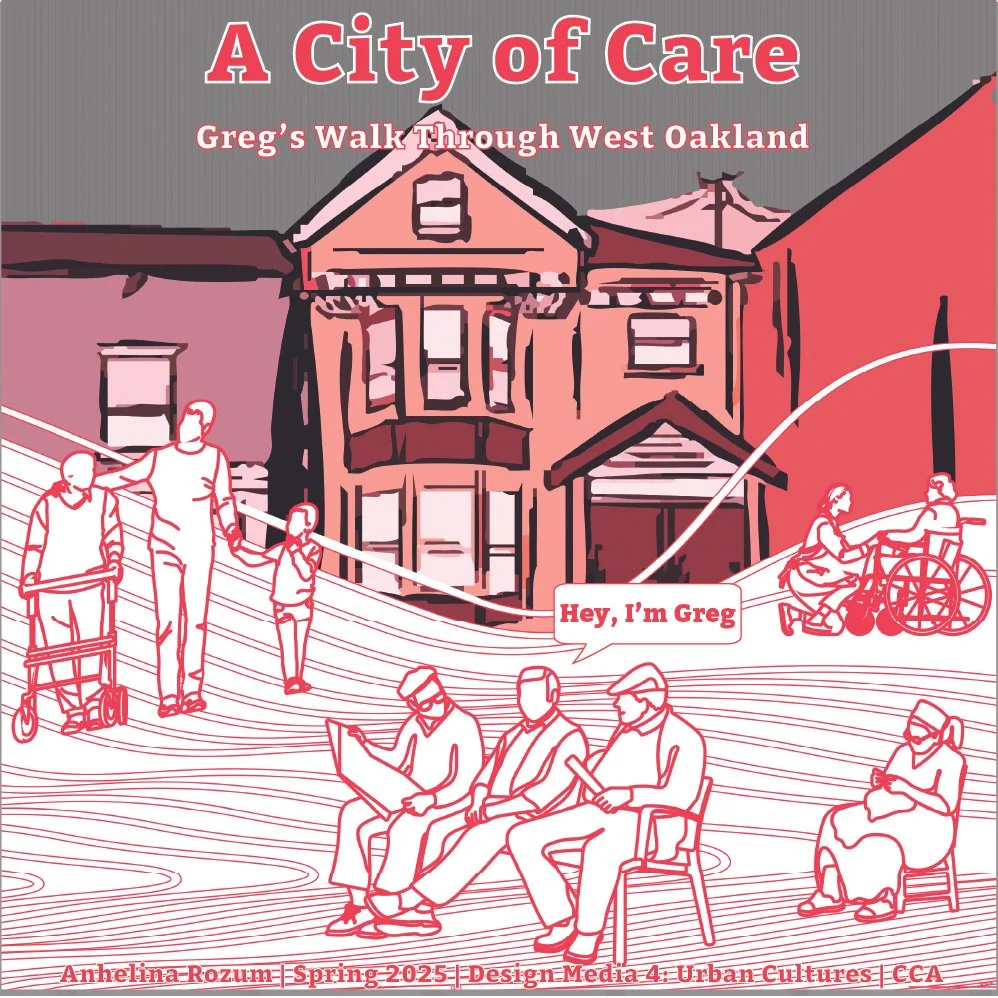
A City of care
ANHELINA ROZUM
moving
Jerome Kim
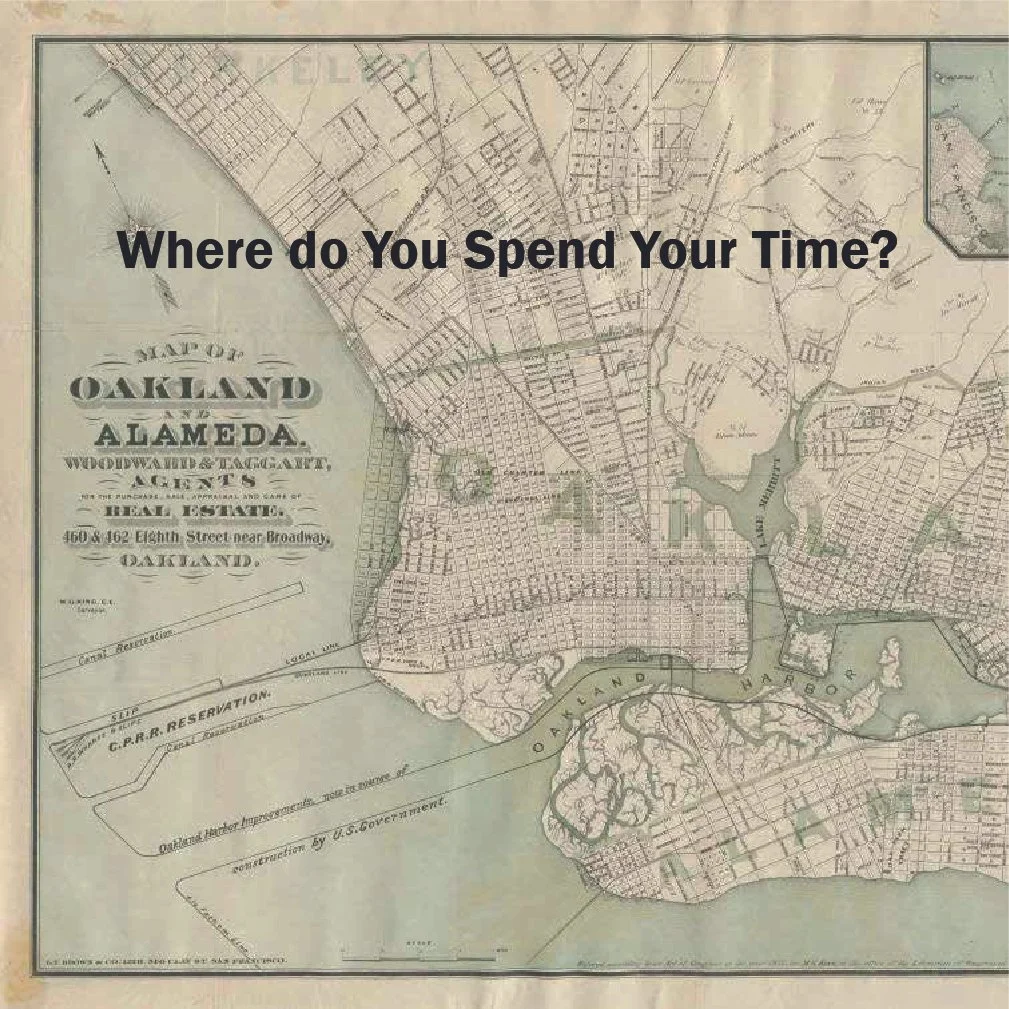
Where do Your SPend your Time
Loel
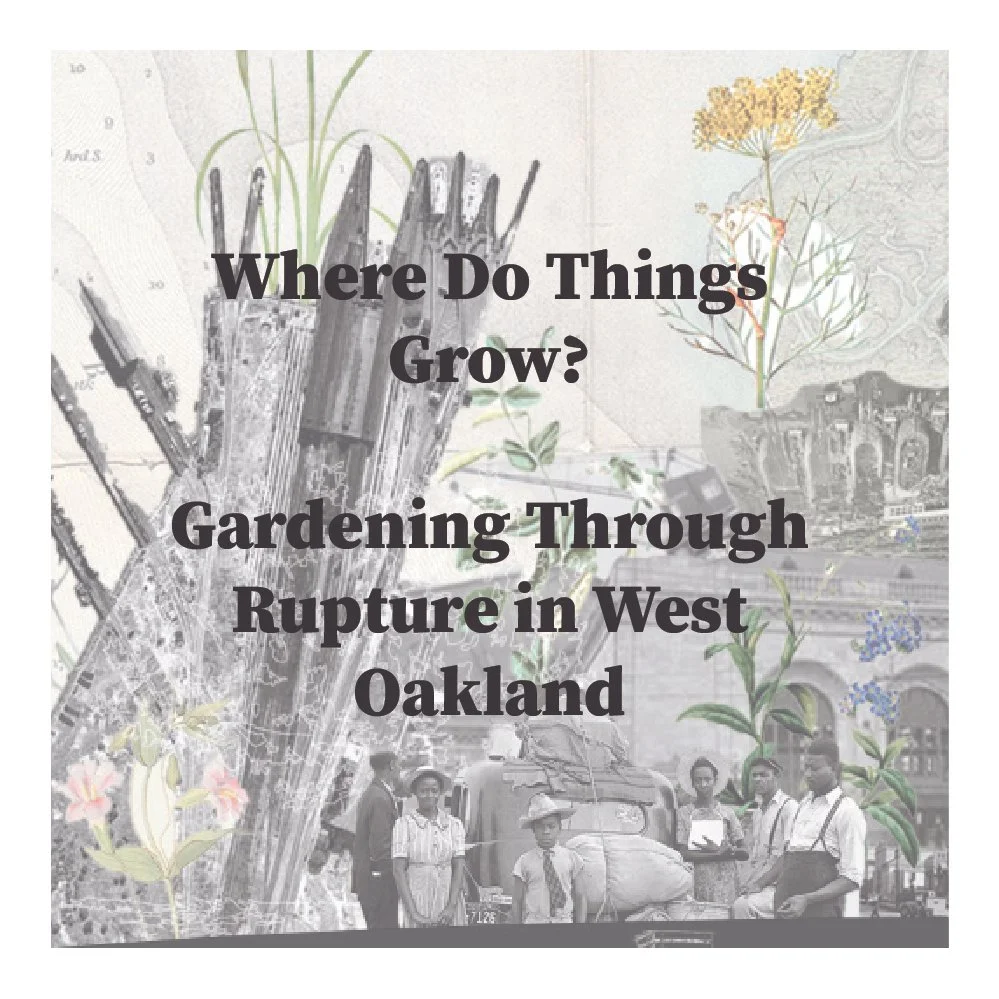
Where do things Grow
Sofia Garcia